
Other Products
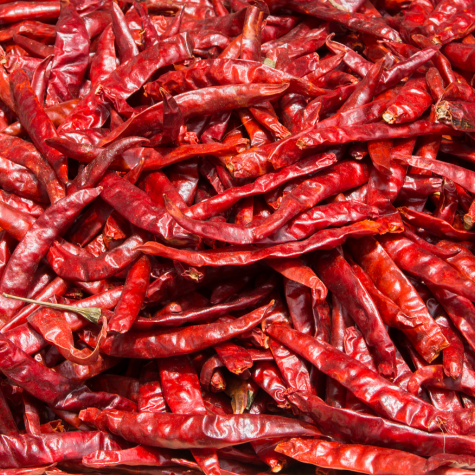
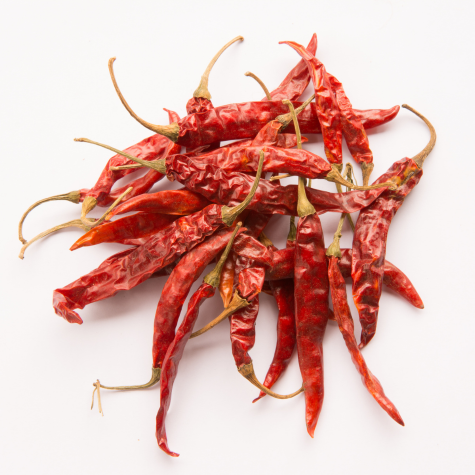
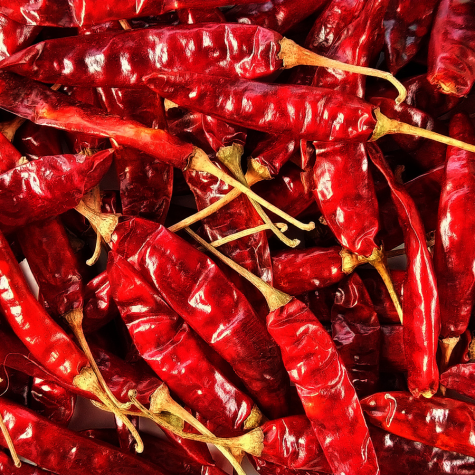
Dry Red Chillies
1. Types of Dry Red Chillies
There are several popular varieties of dry red chillies cultivated globally, each with unique flavors, heat levels, and colors:
-
Guntur Chilli (India): Known for its high pungency and bright red color.
-
Byadgi Chilli (India): Famous for its mild heat and deep red color, used for its coloring properties.
-
Sannam Chilli: Moderately hot, used in various cuisines and spice blends.
-
Bird’s Eye Chilli: Small, extremely pungent, often used in Asian dishes.
-
Kashmiri Chilli: Mild flavor, vibrant red, widely used for adding color to dishes.
2. Nutritional Content
-
Capsaicin: Responsible for the pungency, used in medicinal and cosmetic industries.
-
Vitamins: Rich in Vitamin A, C, and E.
-
Antioxidants: Contains carotenoids, which act as natural antioxidants.
-
Minerals: Includes potassium, manganese, and iron.
3. Uses of Dry Red Chilli
A. Culinary Uses
-
Used in whole, powdered, or flaked form to add heat, flavor, and color to dishes.
-
Common in spice blends like garam masala, curry powders, and pastes.
-
Widely used in pickles, sauces, and chutneys.
B. Industrial Uses
-
Oleoresin Extraction: Used in food processing industries for color and flavor enhancement.
-
Capsaicin Production: Utilized in pharmaceuticals, cosmetics, and pain-relieving balms.
-
Natural Dye: Red pigment is used in food coloring and textile industries.
C. Medicinal Benefits
-
Improves metabolism and digestion.
-
Rich in antioxidants that boost immunity.
-
Capsaicin is used in pain relief creams and patches.
Cow dung
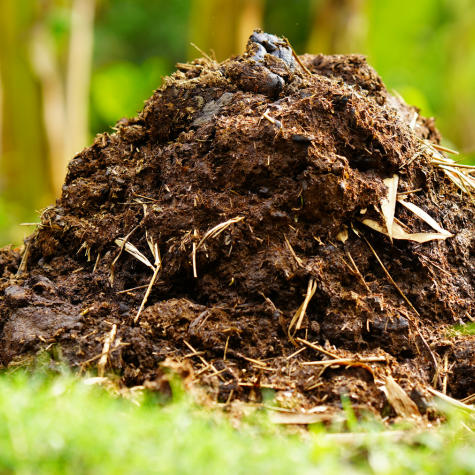
Cow dung is a versatile natural product with several uses in agriculture, energy production, and more. Here’s a detailed overview:
1. Composition of Cow Dung
-
Nutrients: Contains nitrogen, phosphorus, potassium, and other trace minerals beneficial for soil health.
-
Organic Matter: High in organic content, improving soil fertility and structure.
-
Microbial Content: Rich in beneficial microorganisms that help decompose organic matter and enrich the soil.
2. Applications of Cow Dung
A. Fertilizer
-
Natural Manure: Used in agriculture as an organic fertilizer.
-
Soil Enrichment: Improves soil aeration and water retention.
B. Composting
-
Mixed with other organic materials to create nutrient-rich compost.
C. Biogas Production
-
Cow dung is a primary material for biogas plants.
-
Produces methane gas for cooking, heating, and electricity generation.
D. Construction Material
-
Traditionally used to plaster walls and floors in rural areas due to its insulating properties.
-
Mixed with straw to create eco-friendly bricks.
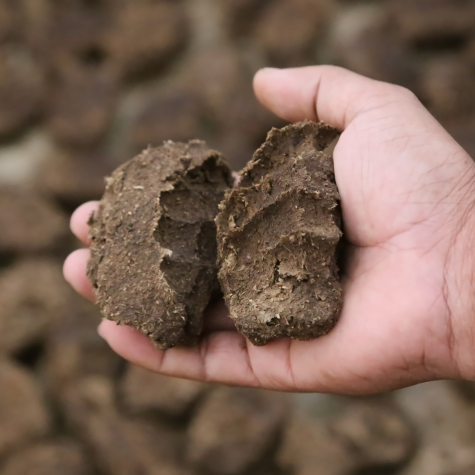
E. Cow Dung Logs
-
Used as an alternative to firewood for cooking and rituals.
-
Eco-friendly option for cremation in India.
F. Pest Repellent
-
Cow dung ash acts as a natural pesticide and repels certain insects when used in fields.
3. Processed Products
-
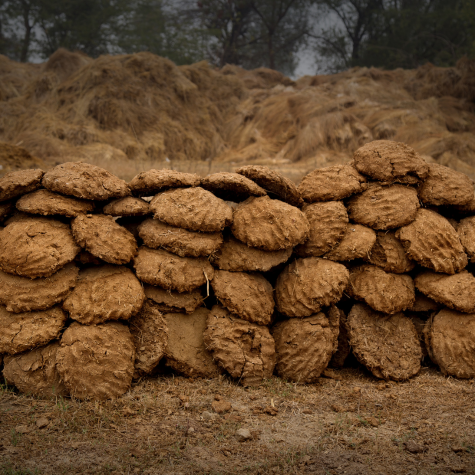
Cow Dung Cakes: Used as fuel for cooking in rural areas.
-
Dried Cow Dung Powder: Sold for agricultural purposes.
-
Cow Dung-Based Incense Sticks and Diyas: Eco-friendly products used in religious ceremonies.
4. Environmental Benefits
-
Reduces dependency on chemical fertilizers.
-
Helps in carbon sequestration when used in organic farming.
-
Promotes sustainable energy production through biogas plants.
Call Us
+91 97248 08389
info@dsexim.in
Address
6, SAMIR COMPLEX, OPP. MUNICIPAL MARKET, NEAR SWASTIK CROSS ROAD, C. G. ROAD, AHMEDABAD -380009